
Cold Air Intakes and Fuel Efficiency: Unraveling the Connection
Introduction:
In today’s fast-paced world, finding smart ways to save on fuel expenses is essential. Luckily, making minor modifications to your car’s equipment can work wonders. In this blog post, we’ll dive into the relationship between cold air intake and fuel efficiency. We’ll explore how a cold air intake works, discuss potential fuel savings, and weigh the pros and cons of this upgrade.
Does a Cold Air Intake Affect Fuel Consumption?
So, here’s the deal: installing a cold air intake can improve your vehicle’s fuel efficiency. How, you might wonder? Well, cold air intakes enhance the combustion of the air-fuel mixture, resulting in less gasoline being consumed. By injecting more oxygen into the combustion chamber, the entire process becomes more efficient. Plus, upgrading your filter can optimize the engine’s mixture, leading to increased efficiency and improved performance. However, it’s worth noting that the impact of a cold air intake might not be groundbreaking, and results can vary depending on your vehicle’s make and model.
How Much Fuel Can You Save With a Cold Air Intake?
The amount of fuel saved by upgrading to a cold air intake depends on various factors, including your car’s model. In ideal conditions, you may witness an improvement in fuel economy. However, this is only possible if the new intake generates cooler air compared to the stock setup. In some cases, replacing an already efficient system may even reduce fuel efficiency and affect performance. Therefore, thorough research is crucial before diving into any upgrades.
What Exactly Does a Cold Air Intake Do?
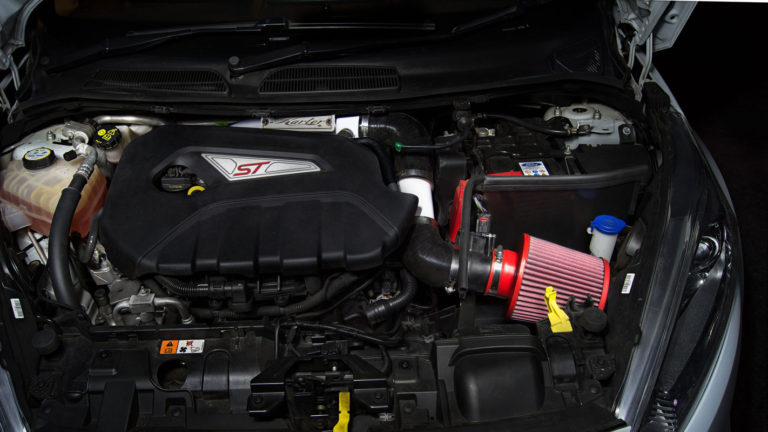
Allow us to break it down for you: a cold air intake pumps colder air into your engine’s combustion chamber, replacing the warm air of the stock setup. As the air gets colder, the oxygen becomes denser. This means that even with the same volume, colder air contains more oxygen than its warmer counterpart. The denser air facilitates more effective combustion, leading to improved performance and fuel economy. A cold air intake typically involves replacing the standard air box with a conical air filter connected to a plastic or metal tube, shielded by a heat shield to maintain cooler air.
Benefits of a Cold Air Intake:
1. Improved Fuel Efficiency: By optimizing engine operation, a cold air intake can boost fuel economy, achieving the same results with less fuel consumption.
2. More Power: A high-performance cold air intake can enhance engine power and acceleration, giving you an extra kick.
3. Aggressive Sound: Picture this – a proper cold air intake can give your car a fuller and louder engine sound, making it stand out from the crowd.
4. Enhanced Filters: Performance cold air intakes often feature robust, longer-lasting filters that can be cleaned and reused, saving you from frequent replacements.
Drawbacks of a Cold Air Intake:
1. Pricey Investment: Upgrading to a high-performance cold air intake requires a financial commitment to a good quality product.
2. Potential Debris Collection: The increased air intake of a cold air intake can invite more moisture and debris to reach the filter, potentially causing performance issues if not properly maintained.
3. Installation Challenges: While not overly complex, installing a cold air intake does require some skill and may necessitate additional equipment. Professional installation might be necessary, adding to the overall cost.
Conclusion:
A cold air intake has the potential to improve fuel efficiency by enhancing the combustion process and optimizing the air-fuel mixture. However, the impact can vary depending on your vehicle and the specific cold air intake you choose. It’s crucial to weigh the potential benefits and drawbacks before making a decision. Thorough research and consultation with professionals can help you determine if a cold air intake upgrade is the right choice for your vehicle.